


What 100 Million ‘Unbanked’ Nigerians Can Teach Canadians About Central Bank Digital Currency
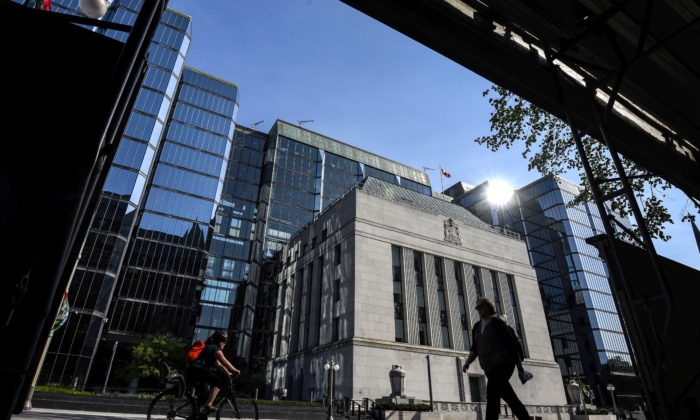
Despite credit cards, e-transfers, and online banking having already made money go pretty much digital, the Bank of Canada is busily working on a much bigger transformation. Canada is one of about 100 countries that—in uncanny synchronicity—several years ago joined the race toward retail central bank digital currency (CBDC).
Touted as the digital equivalent of cash, CBDC risks eroding the established banking system and, among many other problems, is likely to be vulnerable to hackers’ attacks which, should a foreign government use this as a tactic in “hybrid” warfare, might prove capable of destabilizing a target country’s economy.
https://www.theepochtimes.com/opinion/what-100-million-unbanked-nigerians-can-teach-canadians-about-central-bank-digital-currency-5537535?utm_source=ref_share&utm_campaign=copy



That version of history explains everything.
It explains the housing crisis. It explains the energy restrictions. It explains the immigration pressure. It explains the economic stagnation. It explains why a sitting Deputy Prime Minister stood in front of graduates at an American university and asked, out loud, whether capitalist democracy still works.
None of what is happening to Canada is an accident.
The Present Is the Evidence
To understand how Canada arrived at this moment, you first have to look honestly at what is happening right now.
Across Canadian media and social media, a coordinated narrative has been building around what is being called the problem of empty bedrooms. On the surface it sounds like a housing conversation. Look closer and it is something else entirely. The pressure being applied, particularly on elderly Canadians and grandparents who have lived in their homes for decades, is to downsize. To give up their multi-bedroom homes. To turn their large homes into apartment blocks. ...