

Yet Another Bill That Threatens Internet Freedom in Canada
Hands up everyone who thinks it’s a good idea to allow kids to watch pornography?
Anyone? No? Sure? Anyone?
I didn’t think so. Neither do I. But that’s exactly why Canada is on the cusp of passing what could turn out to be its most invasive, privacy-threatening, internet-freedom suppressing, anti-free speech legislation yet.
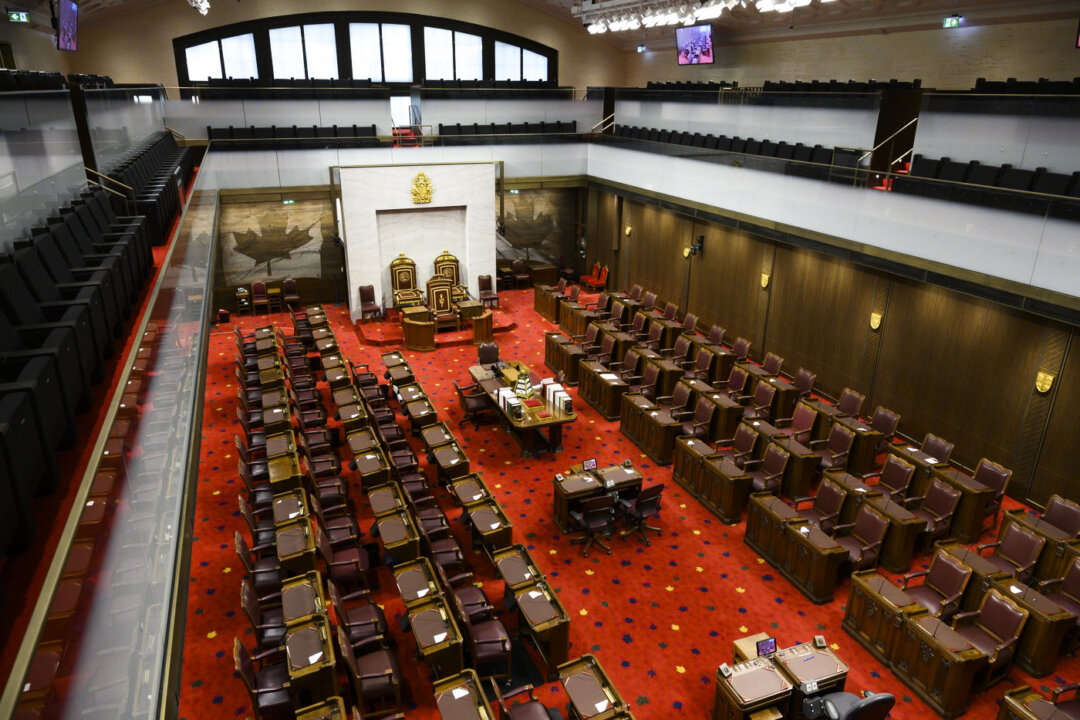
And all in the name of a good cause. Welcome to Bill S-210, the Protecting Young Persons from Exposure to Pornography Act. It’s a private member’s bill introduced by Sen. Julie Miville-Dechene. It has passed three readings in the Senate, where it was introduced, and is now in committee with the House of Commons, having sailed through its first two readings there.
It’s a bill with significantly frightening flaws and truly problematic potential. But it might very well become law because there aren’t enough politicians out there with the guts to oppose it.
Halifax privacy lawyer and law school lecturer David Fraser calls it a “clear and present danger to a free and open internet” that “shockingly” has gained political traction.

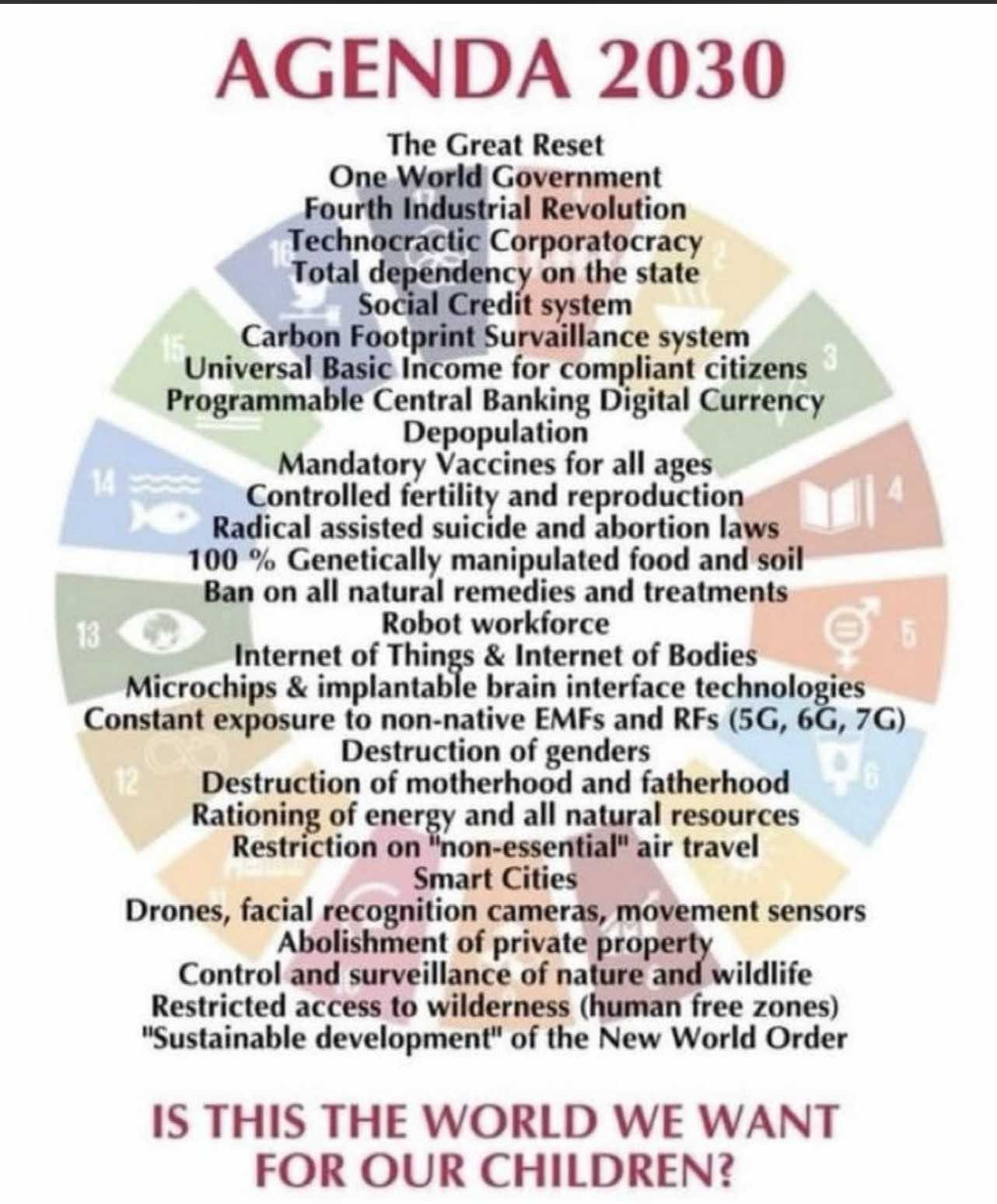
THE GREAT RESET: I'VE CONNECTED THE DOTS. NOW CANADIANS NEED TO CONNECT THE CONSEQUENCES.
By Rich Angel | Wake Up Canada News
After years investigating Canada's gold reserves, Brookfield, Mark Carney, the World Economic Forum, our pensions, wars, digital banking and foreign ownership, I've reached a disturbing conclusion.
We're witnessing a massive transfer and concentration of economic power, and most Canadians are being shown the individual pieces instead of the entire picture.
Here's how I watched it unfold.
FIRST, THE FINANCIAL FOUNDATION.
Canada spent decades selling virtually all its official gold reserves. Our wealth became increasingly dependent on financial markets, investments and international institutions.
THEN CAME THE CRISIS YEARS.
In 2020, the World Economic Forum publicly promoted its Great Reset. Governments accelerated digital services, while the pandemic exposed how quickly emergency powers could reshape everyday life.
In 2022, the Freedom Convoy bank freezes demonstrated that access to money could be restricted through extraordinary ...