

Fred Hahn Ousted as CUPE Turns on Its Own Activist Leadership
Fred Hahn’s removal from his national position at CUPE marks more than the downfall of a single leader—it exposes how deeply Canada’s largest unions have been captured by ideological activism. For years, CUPE Ontario has drifted from collective bargaining and workers’ rights toward political radicalism, social-justice campaigns, and foreign-policy crusades. Hahn’s ousting wasn’t just about his rhetoric—it was about what CUPE has become.
At this week’s CUPE National Convention, delegates voted to reject a resolution endorsing the Boycott, Divestment and Sanctions (BDS) movement and to strip Hahn of his vice-presidency. But the documents coming out of the convention reveal a far more troubling picture. Fewer than one in ten resolutions addressed bread-and-butter issues like wages, pensions, or working conditions. Roughly a third of the agenda was devoted to ideological or geopolitical issues—condemning capitalism, demanding Canada withdraw from NATO, and promoting “decolonial” activism. Another fifth focused on social-justice and identity-based causes, often framed in the jargon of intersectionality and systemic oppression.
This is not what organized labour was built for. Unfortunately, as postmodern and neo-Marxist ideas have taken root in academia and public institutions, unions like CUPE have absorbed their language wholesale. The result is a new kind of labour politics—one that replaces class solidarity with identity hierarchies and economic pragmatism with moral absolutism.
Under this model, the goal is no longer to secure better contracts or safer workplaces, but to advance an overarching ideological project. Every issue—from climate to gender to foreign policy—is filtered through the same moral lens of oppression and liberation. And in doing so, unions risk alienating the very people they exist to serve.

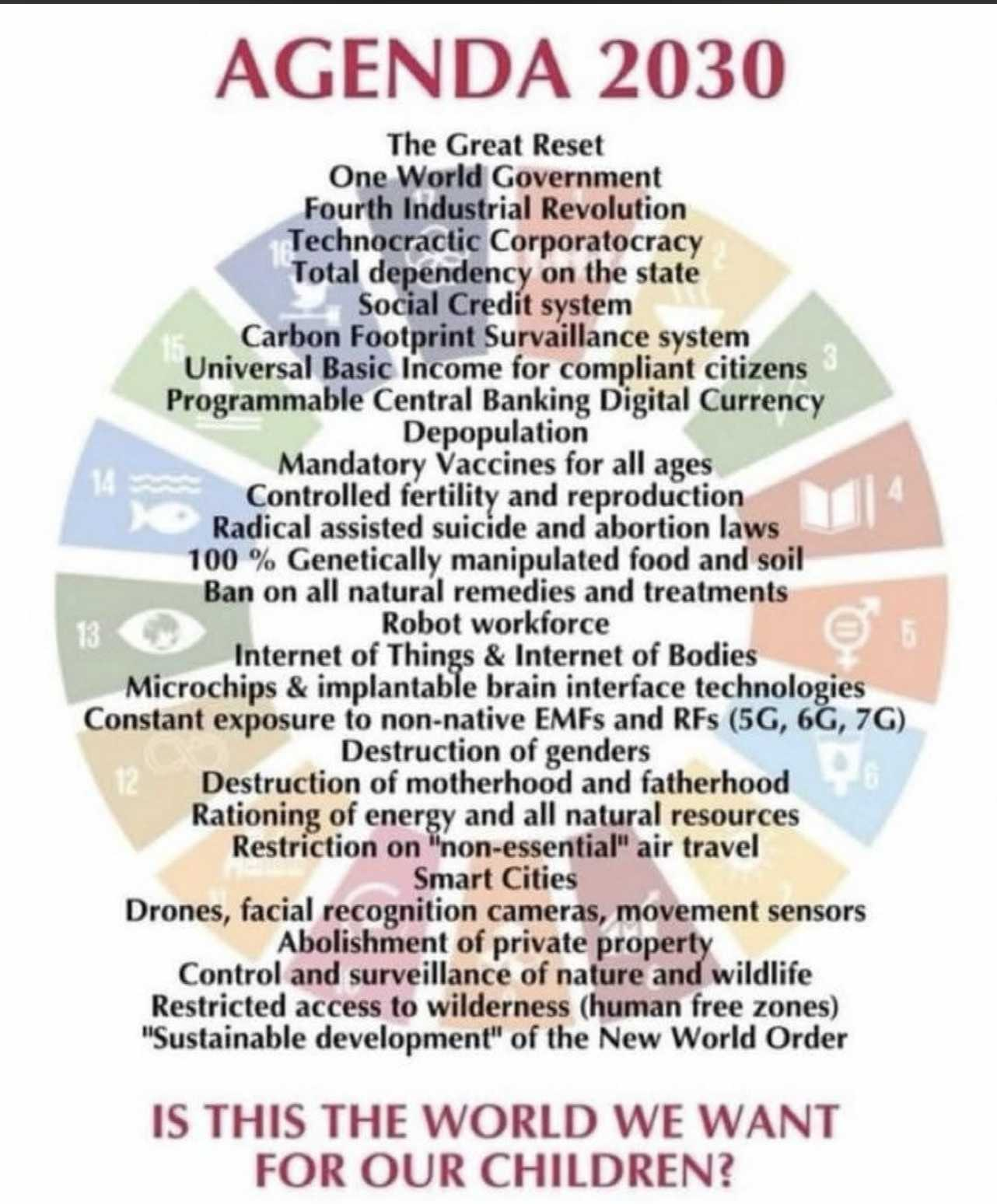
THE GREAT RESET: I'VE CONNECTED THE DOTS. NOW CANADIANS NEED TO CONNECT THE CONSEQUENCES.
By Rich Angel | Wake Up Canada News
After years investigating Canada's gold reserves, Brookfield, Mark Carney, the World Economic Forum, our pensions, wars, digital banking and foreign ownership, I've reached a disturbing conclusion.
We're witnessing a massive transfer and concentration of economic power, and most Canadians are being shown the individual pieces instead of the entire picture.
Here's how I watched it unfold.
FIRST, THE FINANCIAL FOUNDATION.
Canada spent decades selling virtually all its official gold reserves. Our wealth became increasingly dependent on financial markets, investments and international institutions.
THEN CAME THE CRISIS YEARS.
In 2020, the World Economic Forum publicly promoted its Great Reset. Governments accelerated digital services, while the pandemic exposed how quickly emergency powers could reshape everyday life.
In 2022, the Freedom Convoy bank freezes demonstrated that access to money could be restricted through extraordinary ...