

Does This Explain Trump's Tarrifs?
I think it does.
Unless you trust all the other countries in the world, and unimpeded international shipping ,maintaining your own manufacturing base is important for national security.
Not only manufacturing, but food production and mineral production are equally important when there's a possibility of disruption of supplies from outside your own country.
( I've thought that this might be a partial justification for Canada's supply management system but I'm not sure that it is working as intended and has not just become an expensive boondoggle when the biggest asset to produce is quota and the cost of financing quota inflates the costs of the products.)\
One more thing. Canada's reaction to Trump's gambit was exactly the worst possible thing our governments could have done. Canada shares a border with United States and is a logical supplier that should be able to be trusted but our governments' reactions when tested were not to prove we can be trusted but to show that we cannot be and when showing respect was the smart thing to do, Canada showed disrespect and continues to do so.
The one exception was Danielle Smith who went down and met personally with Trump and indicated a willingness meet Trump's demands to the extent that they were reasonable and indicted a willingness to listen and negotiate. She immediately increased the border security in Alberta and indicated respect for our American neighbor.

If You Love This Country, When You Vote, Consider the Policies That Islamist Sharia Ideology Demands
https://www.gatestoneinstitute.org/22938/policies-that-sharia-demands

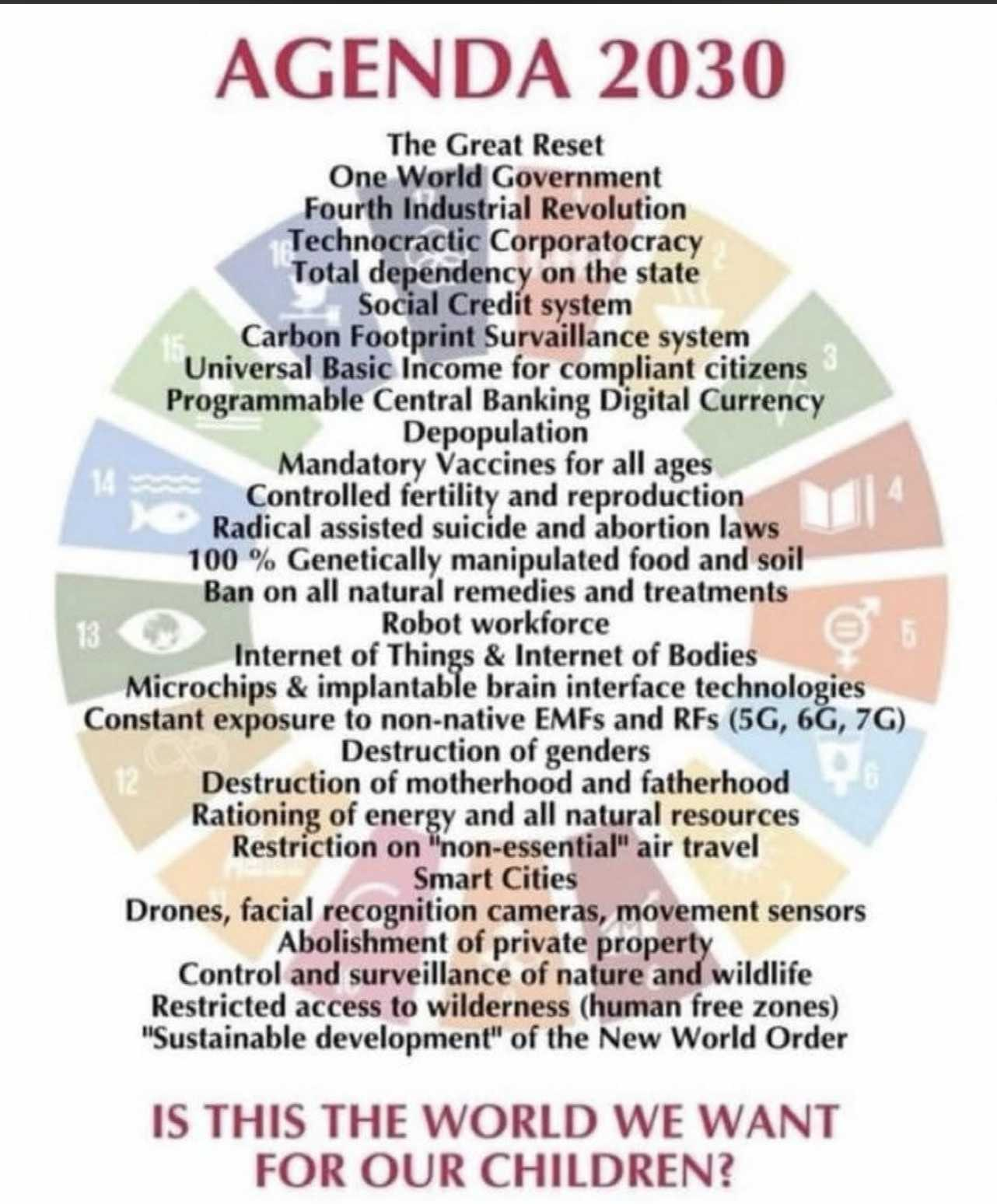
THE GREAT RESET: I'VE CONNECTED THE DOTS. NOW CANADIANS NEED TO CONNECT THE CONSEQUENCES.
By Rich Angel | Wake Up Canada News
After years investigating Canada's gold reserves, Brookfield, Mark Carney, the World Economic Forum, our pensions, wars, digital banking and foreign ownership, I've reached a disturbing conclusion.
We're witnessing a massive transfer and concentration of economic power, and most Canadians are being shown the individual pieces instead of the entire picture.
Here's how I watched it unfold.
FIRST, THE FINANCIAL FOUNDATION.
Canada spent decades selling virtually all its official gold reserves. Our wealth became increasingly dependent on financial markets, investments and international institutions.
THEN CAME THE CRISIS YEARS.
In 2020, the World Economic Forum publicly promoted its Great Reset. Governments accelerated digital services, while the pandemic exposed how quickly emergency powers could reshape everyday life.
In 2022, the Freedom Convoy bank freezes demonstrated that access to money could be restricted through extraordinary ...